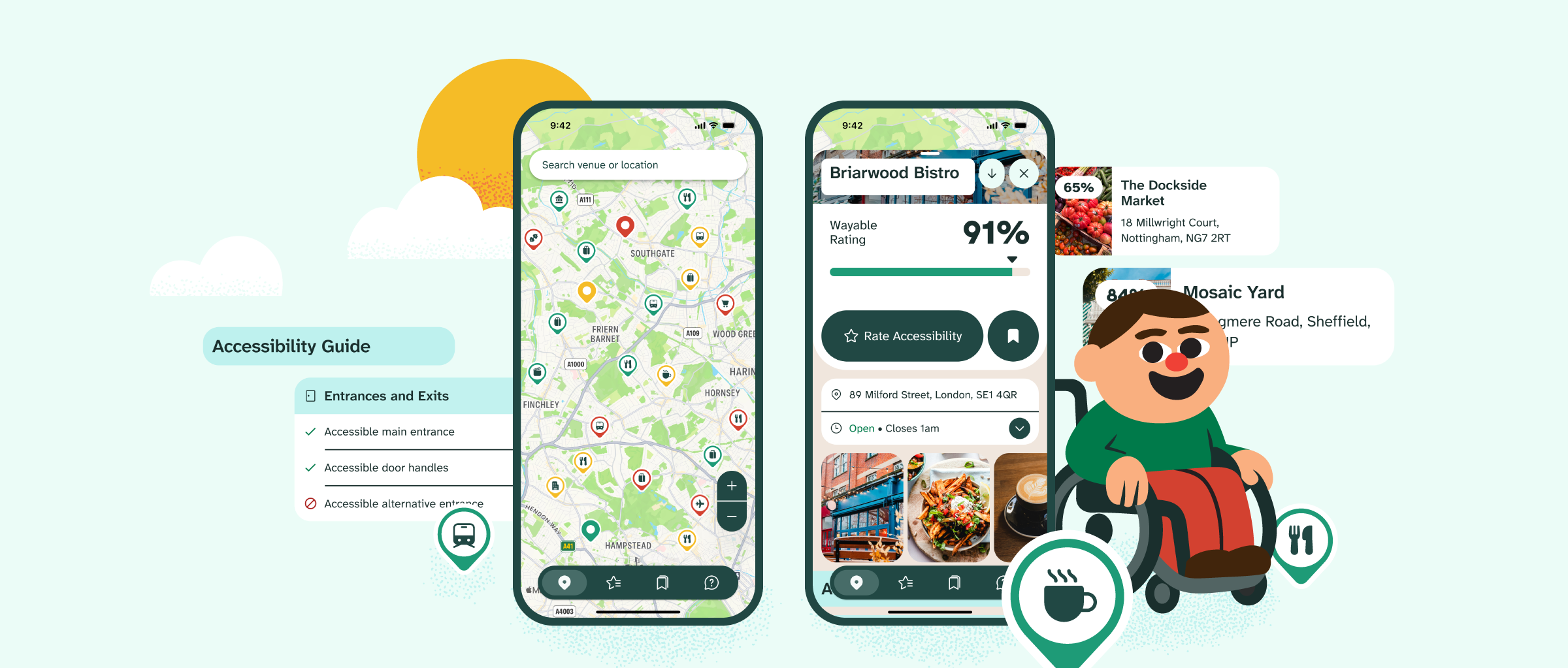
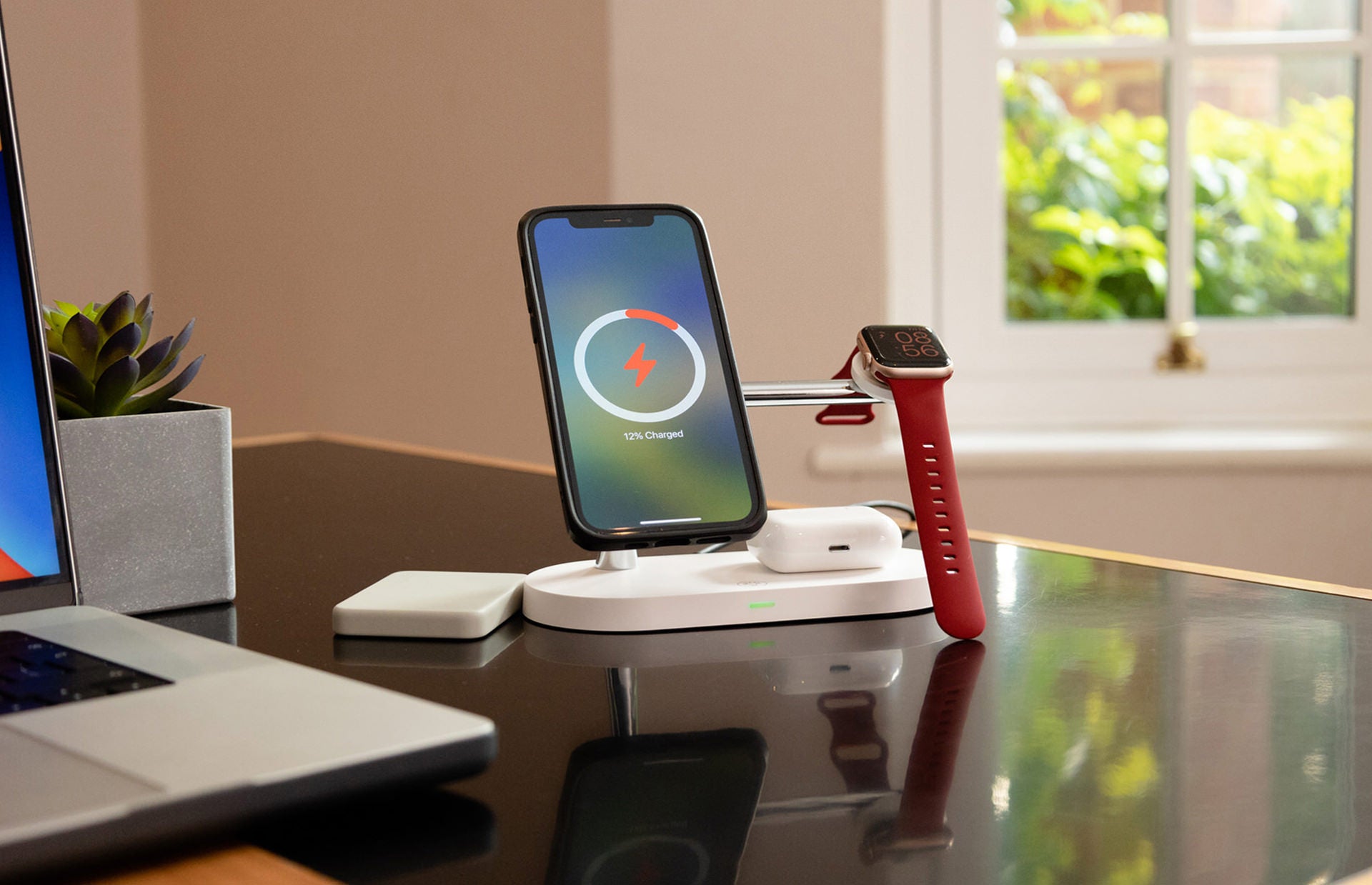
Fluo built the IoT measurement infrastructure, web dashboard and mobile app behind CHARGit's in-furniture wireless charging units, capturing a few thousand charging sessions across roughly 60 to 70 hospitality venues and showing operators exactly which units were earning their place.
Hospitality venues listed on the platform
Devices connected and reporting usage
Recorded across the network during testing
Average length of a charging session
A manufacturer of wireless charging units built directly into furniture for hotels, restaurants, bars and other hospitality venues.
CHARGit builds wireless charging units that sit inside the furniture of hotels, restaurants and bars. Once a unit was installed, though, nobody could see what happened next: which units were being used, how often, or whether the one in the corner earned its place at all. That mattered commercially, because a charging point is really a dwell time argument. Someone waiting for their phone to charge is someone still sitting in your venue, and CHARGit had no way to prove it.
Fluo built the measurement layer. Working with the components CHARGit embedded in the chargers, Fluo built the infrastructure that captured every charging session and the dashboard that turned it into something a venue manager could act on: usage by individual unit, by area, by site. CHARGit could then offer that dashboard to its own customers as part of the proposition. A mobile app helped people find participating venues nearby.
One of Fluo's clearest multi-surface builds, spanning hardware telemetry, back end infrastructure, a web dashboard and a mobile app inside a single project. It is also a good example of Fluo building commercially rather than just technically: the deliverable was the thing that let a hardware company prove the value of its product to the people buying it.
Roughly 60 to 70 venues came onto the platform during testing and a few thousand charging sessions were recorded. That gave CHARGit the ability to measure what it had previously had to assert: average charging time, how usage differed between a hotel, a bar and an airport lounge, and which individual units were better moved than left where they were. CHARGit later chose to refocus on hardware and the platform was retired, but the proof of concept had already answered the question the hardware alone could not.